Across Greater Houston and the state of Texas, active construction projects face an ongoing epidemic of copper wire and professional power tool theft. High commodity scrap metal prices and the fast liquidation value of commercial trade tools have turned active residential subdivisions, commercial developments, and industrial expansions into high-yield targets for organized theft crews.
When thieves strike an active jobsite, they rarely steal loose scraps. Burglary crews cut through temporary chain-link fencing overnight, break into electrical conduit runs, rip newly pulled copper feeder wire directly from electrical panels, and empty heavy-duty gang boxes of commercial power tools. The direct replacement expense of wire and tools is painful, but secondary damages prove catastrophic: project delays, contractual milestone penalties, costly drywall and conduit repairs, inflated commercial insurance premiums, and idle subcontractor labor.
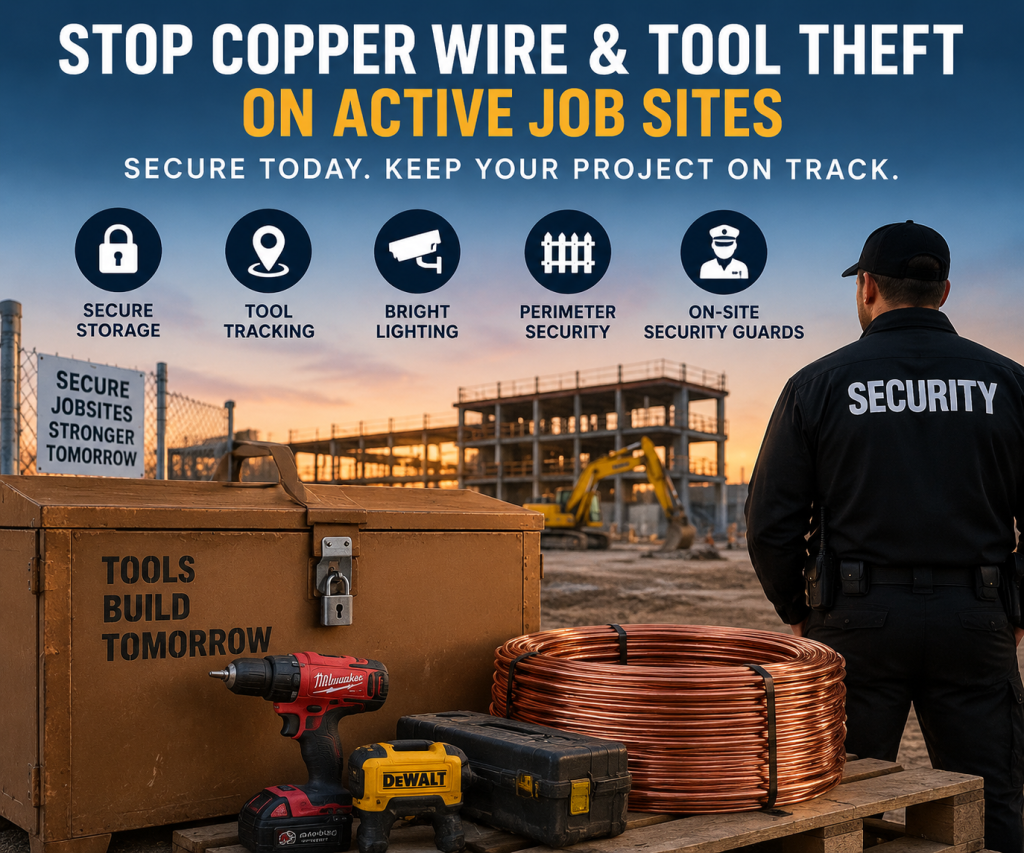
Eliminating jobsite theft requires moving beyond flimsy combination padlocks. General contractors and trade leads must implement an integrated defense architecture combining physical lockouts, smart inventory tracking, secure storage staging, high-intensity lighting, and certified on-site security patrols.
Phase 1: The Economics of Jobsite Metal and Tool Theft
Understanding why jobsites are relentlessly targeted requires evaluating the financial incentives driving commercial thieves:
| Targeted Material / Asset | Illicit Resale Channel | Average Direct Loss | Secondary Impact on Jobsite |
|---|---|---|---|
| Spool and Pulled Copper Wire | Unscrupulous scrap metal recyclers, secondary black-market yards | 5,000 to 45,000 dollars per incident | Torn drywall, damaged switchgear, destroyed conduit, and 2 to 4 weeks of electrical rework. |
| Commercial Power Tools (Milwaukee, DeWalt, Hilti) | Online marketplaces, pawn shops, flea markets | 3,000 to 20,000 dollars per gang box | Subcontractor crew work stoppages, insurance deductible spikes, and replacement lead times. |
| Heavy Machinery Batteries and Components | Battery core buyers, illicit heavy equipment maintenance shops | 1,500 to 8,000 dollars | Inoperable excavators and loaders; see fleet defense in our construction equipment theft prevention guide. |
| HVAC Condensers and Copper Tubing | Scrap metal recyclers (stripped for copper coils) | 8,000 to 30,000 dollars | Refrigerant venting fines, failed mechanical inspections, and replacement delays. |
For standard hourly rates and budgeting parameters for securing active commercial projects, examine our detailed pricing breakdown on event and commercial security costs in Houston.
Phase 2: Operational Vulnerabilities That Invite Jobsite Burglary
Thieves target construction jobsites because they recognize four fundamental operational weaknesses:
1. Predictable Delivery Staging and Premature Wire Drops
Electrical subcontractors often order entire project wire packages at once, staging tens of thousands of dollars worth of copper spools in unmonitored shipping containers or rough-framed structures weeks before installation. Professional scout crews observe these deliveries during daylight hours and return after midnight.
2. Inadequate Jobsite Storage Containers
Standard jobsite gang boxes and portable storage trailers fitted with basic exposed padlocks offer minimal protection. Thieves use 36-inch bolt cutters, battery-powered angle grinders, or hydraulic jaws to defeat exposed hasps in less than 45 seconds.
3. Friday Afternoon Vulnerabilities
Over 60 percent of jobsite thefts occur between Friday night and Monday morning. Job sites sit vacant for over 60 continuous hours, giving intruders uninterrupted time to dismantle conduit, strip wire, and load heavy tool crates without risk of interruption by tradesmen.
4. Porous Perimeters and Ingress Blind Spots
Temporary chain-link fencing tied together with standard baling wire is easily detached. Without access monitoring, unauthorized pickup trucks pull onto dirt access roads unchallenged; explore perimeter control protocols in our guide on access control best practices for gated communities.
Phase 3: The 5-Layer Jobsite Defense Architecture
Stopping copper and tool theft requires creating multiple physical, operational, and technological friction points:
1. Just-in-Time Material Delivery
Never store full spools of copper wire on site over the weekend. Schedule wire deliveries on the exact morning rough-in pulls begin, pull wire through conduit immediately, and energize or lock down switchgear boxes before the end of the shift.
2. Hardened Conex Containers & Gang Boxes
Equip jobsite Conex storage containers with heavy steel lockboxes that fully enclose padlocks against angle grinders. Use hardened boron-alloy puck locks. Anchor smaller gang boxes directly to concrete slabs using concrete wedge anchors.
3. Digital Tool Tracking and Etching
Engrave company identification and unique serial numbers permanently into tool housings. Embed Bluetooth or cellular tracking tags (such as Milwaukee ONE-KEY or DeWalt Tool Connect) inside battery compartments to enable tracking and remote tool disabling.
4. High-Intensity Lighting & Motion Towers
Thieves thrive in shadows. Deploy solar-powered LED light plants around storage yards, material staging areas, and building access points. Motion-activated floodlights eliminate dark hiding corners across active framing floors.
To inspect physical entry point hardening, locking hardware, and facility perimeters, review our comprehensive event security checklist for venue managers.
Phase 4: Physical Security Guards vs Mobile Patrol Sweeps
While alarms and cameras record evidence, only physical security personnel intervene before theft is completed:
1. Dedicated Overnight On-Site Security Officers
For mid-rise, commercial, or large residential framing projects storing hundreds of thousands of dollars in copper and tooling, stationing a Texas DPS licensed security officer on site from 6:00 PM to 6:00 AM provides definitive protection. Officers control the main gate, inspect after-hours contractor credentials, challenge trespassers, and conduct regular foot patrols across dark floor levels. Review vetting guidelines in our security vendor checklist for condo and HOA boards.
2. Marked Mobile Vehicle Patrols
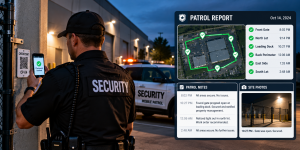
For sprawling horizontal developments, pipeline projects, or multi-street subdivisions, roving marked patrol vehicles equipped with amber light bars, spotlights, and GPS tracking provide randomized deterrence. Roving officers physically inspect Conex container padlocks, gate chains, and electrical service boxes multiple times each night; explore multi-acre patrol routines in our manual on overnight security patrols for multi-family complexes.
3. Ingress Control and Delivery Verification
Thieves frequently pose as legitimate early-morning delivery crews to haul away equipment and materials unchallenged. Gatehouse guards log driver identification, check commercial delivery bills of lading, and verify license plates before permitting heavy transport vehicles inside the perimeter.
Phase 5: Texas Scrap Metal Laws and Stolen Asset Recovery
Contractors operating in Texas benefit from strict state statutes governing scrap metal sales, provided proper documentation is maintained:
1. Texas Occupations Code Chapter 1956 (Metal Recycling Entities)
Under Texas law, commercial scrap metal recyclers are legally required to verify the seller state-issued identification, photograph the seller, record vehicle license plates, and retain detailed records of all copper purchases. Regulated metals, including burned copper wire and commercial tubing, cannot be purchased with immediate cash; recyclers must issue checks or cash cards, creating a traceable financial trail for law enforcement.
2. Marking Wire for Admissible Evidence
Copper wire is inherently difficult to identify once stripped of its outer insulation. To establish ownership in court, contractors should apply specialized, UV-traceable identification paint or proprietary micro-dot tags to wire reels before pulling. If copper is seized at a local recycler, law enforcement can instantly link the metal back to your specific jobsite.
3. Immediate Incident Reporting Protocol
If theft occurs, file a formal police report with the local police department or county sheriff immediately. Provide detailed serial numbers, tool tracking timestamps, photos of severed conduit, and high-definition security footage. Provide the theft report directly to regional scrap metal monitoring networks to flag suspicious sales across Harris County.
For general contractors and corporate executives facing contentious labor disputes or personal harassment on job sites, review our diagnostic assessment on 7 signs you need a personal security detail.
Partner with Gods Armour Security for Jobsite Protection
Protecting valuable construction materials, specialized tools, and critical project schedules requires disciplined physical security. Gods Armour Security provides Texas DPS certified security guards, armed patrol officers, marked mobile patrol units, and mobile surveillance solutions across Greater Houston, Harris County, and statewide Texas.
Our management team collaborates directly with general contractors and site superintendents to eliminate jobsite trespassing, secure material storage yards, enforce gate access, and stop copper wire and tool theft before it impacts your bottom line.
Ready to secure your active jobsite tonight? Request a jobsite security consultation and vulnerability audit or call our Houston dispatch operations center directly at (713) 878-9984.
Key Takeaways
- Copper wire and commercial tool theft result in thousands of dollars in direct losses, but secondary repair delays and downtime cost significantly more.
- Avoid storing full copper reels on site over weekends; adopt just-in-time delivery and pull wire directly into energized panels.
- Anchor gang boxes to concrete slabs and protect storage container doors with enclosed steel lockboxes and hardened puck locks.
- Etch company identification into all tool bodies and utilize smart Bluetooth tracking tags for remote inventory auditing.
- Deploy Texas DPS certified security officers and marked mobile patrols to provide active physical deterrence that passive locks cannot deliver.