
A bank branch carries risk that a general retail location does not. Cash is on site in known quantities, the layout is predictable to anyone who has walked in once, and opening and closing procedures leave staff alone in the building with the vault. Financial institutions also operate under security obligations most businesses never face, with written programs, incident reporting, and internal audits that examiners review. God’s Armour Security provides bank security guards to financial institutions across Houston and the surrounding communities, with officers who work inside the procedures your institution has already established rather than around them.

A stationed officer in the lobby deters robbery attempts, greets and directs customers, watches the queue for anyone behaving unusually, and stays positioned to observe the teller line without crowding it.
Coverage for walk-up and drive-through machines, including patrol during replenishment and attention to card skimming devices and loitering around the units.
Officers cover staff during the two most exposed points of the banking day, from the morning entry and alarm disarm through the evening lockup and escort to vehicles.
Monitoring entry to vaults, back offices, and employee-only spaces, including verification of vendors and service technicians.
Client to confirm before publication: officer support during armored carrier pickups and deliveries.
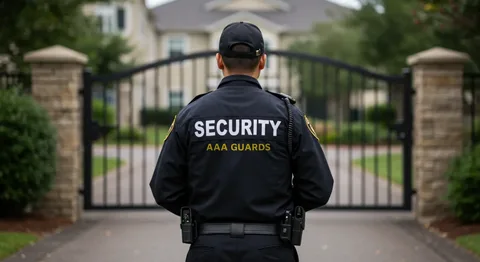
The difference is procedure. A retail officer exercises judgment on the floor. A bank officer follows a defined protocol, because the institution’s security program dictates what happens during a robbery, an alarm activation, an after-hours entry, and a suspicious approach to the teller line. Improvisation in those moments creates liability for the bank.
Our officers are briefed on your post orders before their first shift: where they stand, what they do and do not intervene in, who they notify, how they document, and how they coordinate with branch management, your alarm provider, and responding law enforcement. Your security officer or branch manager sets those procedures. We staff and follow them.
Armed coverage is common here, though not automatic. That decision rests with the institution and usually reflects branch location, transaction volume, and incident history.

Yes. Armed officers hold a current Texas commission and complete the training and firearms qualification the state requires. Unarmed coverage is also available. The choice belongs to your institution, and we will give you a straight assessment of the branch during the site review.