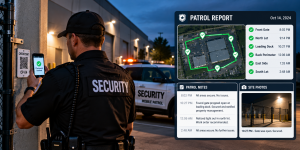

Automated Teller Machines (ATMs) and unattended payment terminals at gas pumps across Greater Houston and Texas remain lucrative targets for organized criminal syndicates. While financial institutions have largely transitioned to EMV chip technology, thieves continue to evolve their methods, utilizing sophisticated electronic devices known as skimmers to capture magnetic stripe data and PINs from unsuspecting users.
ATM skimming is a silent, non-invasive crime. Victims typically do not realize their account has been compromised until days later, when they discover unauthorized cash withdrawals or fraudulent purchases made with a cloned counterfeit card. For bank branch managers and facility directors, a single skimmer found on a managed machine damages institution reputation, increases fraud liability, and mandates immediate forensic regulatory reporting under the Bank Protection Act guidelines.
Eliminating this risk requires a multi-layered approach combining technological hardening, aggressive physical inspection protocols, user awareness, and certified on-site security presence. This comprehensive guide details the types of skimming devices, immediate detection methods, and prevention strategies to secure financial access points.
Phase 1: What is ATM Skimming and How Does It Work?
ATM skimming is the illegal extraction of encoded data stored on the magnetic stripe of a payment card. The process requires two concurrent criminal acts:
1. Capturing the Card Data (The Skimmer)
Thieves install a fraudulent card reader (the skimmer) directly over or inside the existing ATM card slot. As the user inserts their card, the illegal device reads and stores the primary account number (PAN), name, and expiration date embedded in the magnetic stripe. Modern skimmers are covert, often matching the exact color, material, and branding of the target machine.
2. Capturing the PIN (The Camera or Overlay)
Magnetic stripe data alone is insufficient to conduct cash withdrawals. Thieves must also capture the user four-digit Personal Identification Number (PIN). This is achieved via two primary methods:
- Hidden Pinhole Cameras: Miniature digital cameras hidden in fraudulent brochure holders, overhead lighting strips, or speaker grilles focused directly on the keypad.
- Keypad Overlays: A thin, pressure-sensitive fraudulent keypad placed directly over the factory keypad that records keystrokes electronically.
Phase 2: Modern Skimming Threats: From Overlays to “Shimmers”
As standard overlay skimmers become easier to detect, criminal groups are deploying advanced, nearly invisible technology:
| Device Category | How it Differs / Operates | Detection Challenge |
|---|---|---|
| Standard Overlay Skimmer | fraudulent plastic piece attached *over* the existing card slot (magnetic stripe). | Low; usually loose, slightly misaligned, or uses visible adhesive/tape. |
| Deep Insert Skimmer | A razor-thin, internal reader inserted *deep inside* the motorized card reader mechanism. | Maximum; completely invisible from the exterior. Often detected only when a card gets stuck. |
| “Shimmer” (Chip Skimmer) | Inserts between the card chip and the ATM reader. Direct-targets the EMV chip data. | Maximum; internal installation. Allows creation of cloned chip cards (if fallback logic isn’t disabled). |
| Gas Pump Skimmer (Internal) | Thieves use master keys to open pump cabinets and wire skimmers *internally* to the card reader. | Invisible; detected only by inspecting internal tamper-evident security tape/locks. Often transmits data via Bluetooth. |
For large multi-acre industrial facilities or logistics depots with unattended refueling stations, integrate these inspection protocols into your warehouse and cargo security management plan.
Phase 3: How to Spot an ATM Skimmer (Detection Checklist)
A few seconds of inspection can reveal even sophisticated skimmers. Before inserting your card, conduct the “Wiggle, Scan, and Cover” test:
1. Wiggle the Card Slot (The Entry Point)
Factory-installed ATM components are rigid. Fraudulent overlays are typically attached with two-sided tape. Gently pull and wiggle the card slot bezel. If it pops off, is loose, slightly crooked, or misaligned, do not use the machine.
2. Check for Keypad Thickness & Overlay Adhesives
Examine the PIN pad. Does it feel unusually thick, spongy, or raised above the machine surface? Look for visible residue from adhesive tape or glue around the edges of the keypad.
3. Search for Pinhole Cameras Overhead
Scan the areas above the screen and keypad. Criminals often hide miniature cameras in fraudulent plastic “all clear” signal housings, brochure holders, or overhead lighting strips focused on the PIN pad.
4. Scan Surrounding ATM Pairs & Compare
If you are at a multi-ATM kiosk, visually compare the target machine to the adjacent one. Look for subtle differences in flashing LED lights, card slot size, keypad thickness, or graphics.
To inspect physical entry point hardening and perimeter access gates across financial hubs, examine our operational checklist in the commercial security checklist for venue facility managers.
Phase 4: Mandatory ATM Hardening & Prevention for Bank Managers
While consumer vigilance is key, financial institution facilities must implement aggressive physical hardening and monitoring to prevent skimmer installation in the first place:
1. Deploy Advanced Anti-Skimming Hardware
Implement leading ATM hardware defenses:
- Jitter Technology: Introduces variable, non-linear card insertion speeds, disrupting the precise timing required by magnetic stripe skimmers to decode PAN data.
- Dip Readers vs Motorized Readers: Transition from motorized “swallow” card readers (which are vulnerable to internal “shimmers”) to simplified dip readers where the user retains physical control of the card.
- ATM Bezel LED Monitoring: Standardized flashing light sequences around the card slot. Fraudulent overlays often obstruct or alter these lights, providing immediate visual verification of tampering.
2. Certified On-Site Security Presence and Mobile Patrols
Skimming crews actively case target banks, seeking unmonitored after-hours windows to install devices. The visible presence of Texas DPS licensed security officers or marked mobile patrol units conducting randomized physical sweeps of ATM islands defeats criminal pre-operational planning. Compare human guard deterrence against cameras in our detailed analysis on security guards vs surveillance cameras for commercial sites.
3. Aggressive Physical Inspection Schedule (The “Nose-to-Toes” Walkthrough)
Branch personnel or security officers must conduct mandatory physical ATM inspections at minimum four times daily (including early morning and holiday lockout checks). Officers must physically wiggle card bezels, inspect for pinhole cameras, verify keypad thickness, and inspect gas pump tamper-evident security seals; explore overnight shift procedures in our guide on overnight property security patrols.
For standard hourly rates for professional armed or unarmed guards in Texas to monitor financial access points, review our baseline analysis on event and commercial security costs in Houston.
Phase 5: Immediate Protocols When a Skimmer is Discovered
If you discover a loose bezel, an overlay, or a sticking card reader, immediate action is required. Do not leave the scene:
1. User Response: Call the Bank and Police Immediately
Do not attempt to remove the skimming device yourself; you may contaminate fingerprint or DNA evidence. If you are at a bank branch during operating hours, notify the branch manager immediately. If after hours, call the emergency number listed on the ATM screen, report the machine ID, and notify local Houston or municipal police.
2. Institutional Response: Machine Shutdown and Forensic Recovery
If branch personnel or security officers discover a device, immediately place the ATM into **Emergency Out of Service Mode**. Station a guard at the machine to prevent use and preserve evidence while waiting for FBI or local law enforcement detectives. Review vendor vetting criteria in our security vendor checklist for condo and HOA boards to ensure your provider has rapid emergency dispatch capacity.</ p>
3. Execute Immediate Risk Mitigation under the Bank Protection Act
File necessary non-compliance alerts with regulatory bodies (OCC, FDIC, or Federal Reserve) if required. Immediately alert surrounding financial institutions in the local regional network about the specific type of skimmer found, enabling a proactive regional response.
If bank executives, wealth managers, or corporate stakeholders involved in sensitive asset transactions face direct physical threats or targeted harassment, explore protection details in our manual on 7 signs you need a personal security detail.
Partner with Gods Armour Security for Financial Asset Protection
Safeguarding bank branches, credit unions, corporate financial offices, and standalone ATM hubs from evolving fraud threats requires disciplined physical security. Gods Armour Security provides Texas DPS certified security officers, Level III commissioned armed response units, and marked mobile patrol services tailored to the rigorous compliance standards of financial institutions across Greater Houston, Harris County, and statewide Texas.
Our management team collaborates directly with bank security officers and branch directors to design site-specific protection plans, enforce access control, conduct verified physical ATM sweeps, and eliminate ATM fraud risks.
Ready to harden your financial infrastructure and protect consumer assets? Request a financial institution security consultation and fraud audit or contact our Houston command operations desk directly at (713) 878-9984.
Key Takeaways
- ATM skimming captures magnetic stripe data and PINs using fraudulent external overlays (skimmers) and internal mechanisms (deep insert skimmers/shimmers).
- “Shimmers” target EMV chip data and are inserted deeply inside the card reader mechanism, making them invisible from the exterior.
- Always “Wiggle, Scan, and Cover”: Wiggle the card slot, scan for loose keypads or adhesives, and cover your hand while typing your PIN.
- Financial institutions must implement Jitter technology, anti-tamper bezels, and randomized security officer physical sweeps to defeat skimming crews.
- If a skimmer is discovered, immediately place the machine Out of Service and call police. Do not attempt to remove the device to preserve evidence.