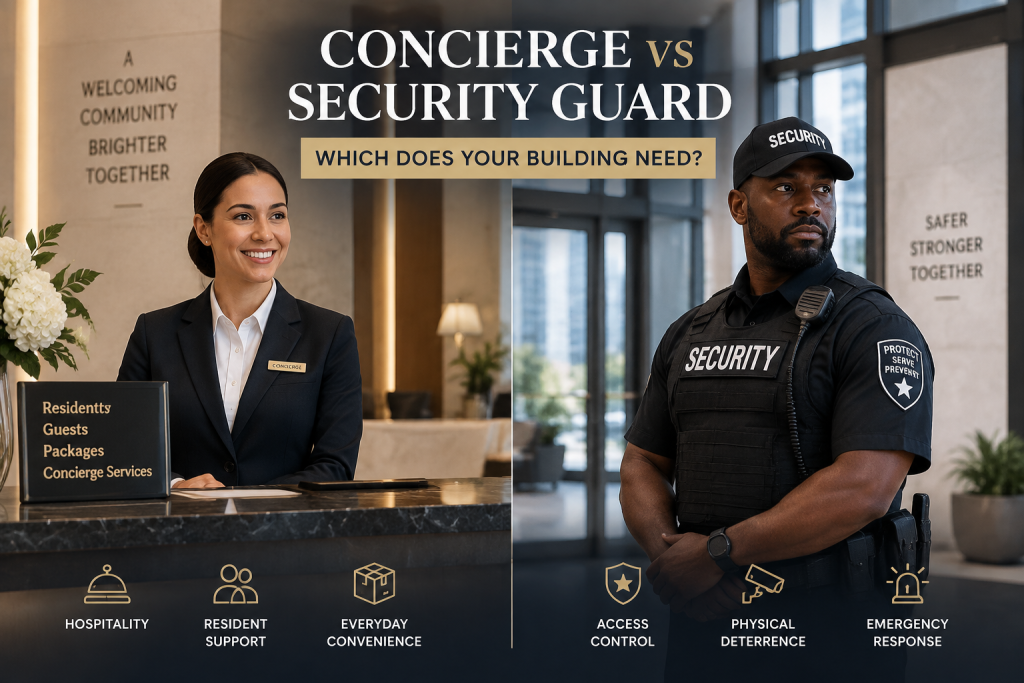
Managing a luxury high-rise condominium, corporate office tower, or premier multifamily residential property requires balancing two distinct operational priorities: high-touch hospitality and uncompromising physical safety. Property managers and condominium boards frequently debate whether to staff their lobby with a customer-service concierge or a uniformed private security guard.
While both roles represent the primary face of your building lobby, their operational training, legal authority, and daily responsibilities differ fundamentally. A traditional front desk concierge focuses on resident hospitality, guest reception, and dry cleaning logistics, but lacks tactical training to neutralize an aggressive trespasser. Conversely, a conventional security officer provides formidable physical deterrence, but may lack the polished interpersonal finesse expected in a multi-million-dollar residential high-rise.
Selecting the wrong staffing model compromises building safety or alienates discerning residents. This comprehensive operational manual analyzes the differences between concierges and security guards, provides a side-by-side comparison matrix, examines real-world cost structures, and explains how modern Texas properties deploy integrated hybrid concierge security solutions.
Phase 1: Defining the Roles: Hospitality vs Physical Protection
To determine the ideal staffing profile for your front lobby, property managers must understand the core competencies separating these two disciplines:
1. The Traditional Front Desk Concierge
A concierge operates within the hospitality domain. Their primary mission is elevating resident and guest satisfaction by providing personalized assistance. Core concierge functions include:
- Welcoming residents, directing corporate visitors, and coordinating contractor arrivals.
- Accepting incoming mail, managing dry-cleaning deliveries, and overseeing secure storage to prevent package theft in apartment buildings and condos.
- Coordinating amenity reservations, such as private rooftop terraces, media lounges, and service elevators.
- Acting as an on-site customer service liaison for routine tenant maintenance requests.
While invaluable for resident lifestyle comfort, traditional concierges are neither licensed nor trained to handle physical altercations, de-escalate violent intruders, or conduct tactical emergency evacuations.
2. The Licensed Private Security Guard
A security officer operates within the life-safety and asset protection domain. In Texas, their primary duty is enforcing property rules, controlling access points, deterring criminal opportunists, and responding to physical emergencies. Core security functions include:
- Enforcing strict building ingress access control, checking visitor credentials, and preventing tailgating.
- Monitoring high-definition CCTV video surveillance feeds and fire alarm control panels.
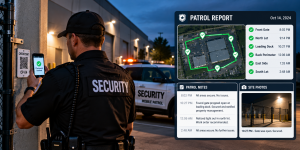
- Conducting scheduled physical patrols of stairwells, parking garages, rooftop access doors, and building perimeters.
- Intercepting unauthorized trespassers, managing disruptive parties, and liaising directly with municipal police and fire dispatch.
Phase 2: Comprehensive Comparison Matrix
Evaluate the structural differences between traditional concierges, dedicated security guards, and modern hybrid protection personnel:
| Operational Dimension | Traditional Concierge | Dedicated Security Guard | Hybrid Concierge Security |
|---|---|---|---|
| Primary Focus | Hospitality, guest relations, resident convenience | Physical asset protection, crime deterrence, enforcement | Dual mission: customer service combined with licensed security |
| Uniform & Aesthetic | Business formal, luxury blazer, hospitality attire | Tactical utility uniform or standard security officer attire | Tailored corporate suit with concealed communications and credentials |
| State Regulatory Licensing | None required | Texas DPS Level II (Unarmed) or Level III (Armed) | Texas DPS Licensed Security Officer (Level II, III, or IV PPO) |
| Physical Emergency Response | Calls 911; evades direct physical confrontation | Intervenes directly, detains trespassers, executes lockdowns | Professional verbal de-escalation, immediate tactical and medical response |
| Texas Hourly Bill Rate | 20 to 28 dollars / hr | 24 to 45 dollars / hr | 28 to 55 dollars / hr |
For a detailed breakdown of residential contracts, shift coverage, and vendor procurement rules, review our HOA security guard services pricing and contract guide.
Phase 3: Key Factors to Determine What Your Building Needs
Choosing between a concierge, security guard, or hybrid solution depends on four primary property criteria:
1. Neighborhood Crime Rates and Surrounding Threat Footprint
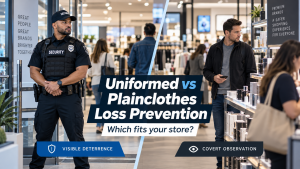
Properties situated in bustling downtown entertainment districts, midtown transit hubs, or areas with elevated property crime require visible physical deterrence. Unarmed concierges cannot prevent aggressive street trespassers from entering private lobbies. In high-exposure settings, security personnel are non-negotiable.
2. Tenant Expectations and Property Demographics
Class-A high-rise condominiums catering to high-net-worth executives, corporate founders, or legal partners demand flawless hospitality. An imposing, tactical security uniform can feel hostile to affluent homeowners. In these luxury environments, properties require suit-attired security personnel trained in luxury hospitality etiquette; see how high-net-worth estates balance protection in our guide on close protection and security details for families.
3. Physical Layout and Ingress Chokepoints
Buildings with complex architectural layouts, multiple underground parking garages, rear delivery docks, and unmonitored stairwells require continuous physical patrols. A static desk concierge cannot leave the lobby without leaving the front entrance unstaffed. Deploying a dedicated security guard alongside mobile patrol sweeps ensures comprehensive facility coverage.
4. Insurance Premiums and Civil Liability Mandates
Commercial property underwriters frequently require licensed security guards on premises to qualify for lower casualty and liability insurance premiums. If an assault, burglary, or unauthorized vehicle entry occurs, having licensed security personnel significantly shields property ownership from negligent security civil lawsuits.
Phase 4: The Best of Both Worlds: Hybrid Concierge Security
Leading commercial towers and luxury residential properties across Houston are increasingly replacing single-role staff with Hybrid Concierge Security Specialists. This integrated solution provides the exact balance modern properties demand:
1. Polished Corporate Presence
Officers wear custom-tailored dark business suits rather than standard tactical uniforms, projecting high-end sophistication that complements luxury architectural finishes.
2. State-Certified Security Authority
Every hybrid specialist holds an active Texas DPS Private Security Bureau license, ensuring full legal authority to intercept, detain, and remove unauthorized intruders under Texas law.
3. Seamless Operational Efficiency
A single professional desk manages package logging, elevator reservation schedules, visitor credential checks, and real-time CCTV surveillance simultaneously, optimizing building payroll.
To examine the operational distinctions between standard physical guarding and specialized close protection personnel, explore our detailed analysis on bodyguard vs executive protection differences.
Phase 5: Texas Regulatory Standards and Hiring Considerations
When retaining lobby staffing across Texas, property management teams must adhere to state statutory requirements:
1. Texas DPS Private Security Bureau Compliance
Under Chapter 1702 of the Texas Occupations Code, an individual cannot perform security officer duties, patrol property, or provide physical deterrence unless they are registered through a state-licensed security contractor. Calling an unlicensed staff member a security concierge while tasking them with physical enforcement violates Texas law and voids commercial property insurance during a catastrophic incident.
2. Post Orders and Emergency Action Plans
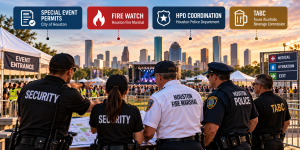
Whether deploying dedicated guards or hybrid personnel, written Post Orders must outline clear operational thresholds. Front desk personnel must understand fire evacuation procedures, active threat protocols, and facility audit standards outlined in our event security checklist for venue managers.
3. Comparing Overall Financial Investment
While an entry-level concierge may carry a slightly lower baseline bill rate than a licensed security officer, hiring uncredentialed staff creates hidden liabilities. If criminal activity escalates on site, property managers often face emergency contract surcharges. To analyze daily rates and billing frameworks, review our guide on how much a personal bodyguard costs per day.
If your property is experiencing recurring disturbances or targeted threats against tenants, consult our diagnostic checklist on 7 signs you need a personal security detail.
Partner with Gods Armour Security for Elite Building Protection
Your property deserves a lobby presence that reinforces luxury prestige while maintaining absolute life-safety vigilance. Gods Armour Security delivers Texas DPS licensed, suit-attired concierge security professionals, uniformed on-site security officers, and dedicated patrol assets across Greater Houston, Harris County, and statewide Texas.
Our specialists combine refined customer service etiquette with rigorous tactical training. Whether securing a premier residential condominium tower, a corporate headquarters lobby, or a sprawling commercial business park, our command team designs a customized front desk security program that safeguards assets and elevates tenant satisfaction.
Ready to upgrade your building lobby protection? Request a building security and concierge consultation or contact our Houston command operations desk directly at (713) 878-9984.
Key Takeaways
- Traditional concierges excel in customer service and resident hospitality, but lack the tactical training and legal authority to handle physical security emergencies.
- Security guards provide active crime deterrence, emergency medical response, and access control enforcement under Texas DPS licensing.
- Hybrid concierge security specialists combine tailored business attire and warm resident hospitality with state-certified physical security training.
- Under Texas Occupations Code Chapter 1702, security functions must be performed by registered, state-licensed security officers to preserve insurance coverage.
- Properties with high foot traffic, parking garages, or elevated local crime rates should deploy licensed security personnel or hybrid concierge officers.