Package theft, often termed porch piracy, has surged into a chronic operational liability for property managers, condominium associations, and residential landlord groups across Greater Houston and Texas. E-commerce delivery volumes expand each year, transforming apartment lobbies, vestibules, and unmonitored mailrooms into prime targets for opportunistic thieves, organized burglary crews, and tailgating intruders.
For multifamily communities, stolen packages damage resident satisfaction, generate negative online leasing reviews, and escalate lease non-renewal rates. When residents consistently lose high-value consumer electronics, prescription medications, or sensitive financial deliveries, the perceived safety of the entire property deteriorates.
Simply posting warning signs or telling tenants to track shipments does not solve the problem. Preventing package theft requires an integrated physical security framework combining controlled smart rooms, proactive video analytics, credentialed courier workflows, and dedicated physical security patrols.
Phase 1: Understanding Multifamily Package Delivery Vulnerabilities
Package theft in high-density residential properties stems from four primary operational breakdowns:
1. Door-to-Door Delivery Stacking and Open Vestibules
Delivery drivers facing aggressive route quotas frequently drop parcels in public vestibules, unattended lobby floors, or directly outside apartment doorsteps. These open areas offer zero physical defense, allowing unauthorized visitors to scoop up parcels within seconds of delivery drop-off.
2. Piggybacking and Tailgating Through Exterior Gates
Thieves routinely wait outside vehicle access gates or pedestrian breezeway doors, following legitimate residents or postal vans inside. Once inside the perimeter, intruders operate with complete anonymity. Stopping this requires strict gate control; review our management standards in our HOA security guard services pricing and contract guide.
3. The Phantom Courier Scam
Organized criminal groups exploit branded courier apparel or false delivery badges to walk past leasing office personnel unchallenged. Without a credential verification checkpoint, unauthorized individuals gain unrestricted access to residential corridors and mail facilities.
4. Overflowing Mailrooms Lacking Access Auditing
Traditional multifamily mailrooms utilize basic brass keys or standard keypad codes that are never rotated. Former tenants, maintenance sub-contractors, and unauthorized guests retain access indefinitely, leading to recurring internal parcel shrinkage.
Phase 2: Comprehensive Package Theft Prevention Matrix
Compare the five primary parcel security solutions deployed across modern Texas residential complexes:
| Security Countermeasure | Operational Mechanism | Resident Friction Level | Theft Deterrence Efficacy |
|---|---|---|---|
| Automated Electronic Lockers | Modular metal lockers accessed via dynamic one-time resident PIN codes. | Low; 24/7 self-service pickup. | High for small boxes; zero protection for oversized parcel overflow. |
| Controlled Smart Package Rooms | Dedicated hardened rooms with digital barcode scan-in and smart credential doors. | Very Low; handles any volume or irregular package dimension. | High; logs every badge entry with synchronized time-stamped video. |
| Concierge / Front Desk Intake | Uniformed security or concierge staff logs, signs for, and holds parcels in back office. | Moderate; restricted to staffed desk hours. | Maximum; physical human chain-of-custody eliminates unauthorized removals. |
| Marked Mobile Security Patrols | Roving officers conduct random physical checks of breezeways and mail kiosks. | None; transparent background operation. | Very High; active visible deterrence stops vehicle prowlers and tailgaters. |
| Off-Site Direct Courier Services | Third-party warehouse aggregates deliveries and schedules resident-attended hand-offs. | High; requires scheduling delivery windows. | High; eliminates unattended boxes entirely. |
When budgeting for physical on-site personnel versus electronic security, evaluate overall operational expenses in our detailed guide on event security costs in Houston, which details baseline hourly guard wages.
Phase 3: The 4-Pillar Security Framework for Multifamily Mailrooms
To eliminate package loss permanently, property managers must implement a layered physical and technological perimeter:
1. Access Control Hardening and Dynamic Credentialing
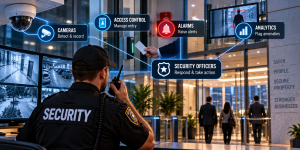
Replace outdated mechanical key locks with encrypted cloud access readers (key fobs, RFID cards, or smartphone Bluetooth credentials). Program doors to automatically re-latch and deadbolt within three seconds of opening. Audit user access logs monthly, revoking credentials for past residents immediately upon move-out.
2. High-Resolution CCTV with Full Angles and Facial Coverage
Standard overhead surveillance cameras often capture only the tops of hats or hoodies. Install multi-angle 4K security cameras:
- Eye-Level Entrance Camera: Captures high-definition facial profiles as visitors open the door.
- Overhead Wide-Angle Camera: Captures total shelf coverage, proving whether a specific parcel was delivered or retrieved.
- Facial Recognition / AI Analytics: Triggers immediate alerts when individuals linger in the package area without scanning an authorized credential.
3. Delivery Driver Ingress Management
Establish a standardized procedure for major carriers (USPS, UPS, FedEx, Amazon). Issue delivery drivers dedicated vendor digital pins or integrate automated delivery access panels (such as Amazon Key for Business) that grant temporary, time-restricted access only during official drop-off windows.
4. Dedicated Mobile Patrol Checks During Peak Delivery Windows
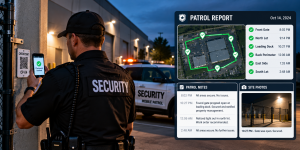
Statistical delivery reports confirm that parcel thefts peak between 3:00 PM and 8:00 PM, when carriers complete afternoon delivery runs while working residents are still commuting home. Scheduling physical security patrols during these hours creates visible deterrence when exposure is highest. For multi-building properties, review our operational standards for event security checklists for venue managers to audit perimeter access points.
Phase 4: Resident Education and Community Policies
Physical hardware must be backed by clear community policies communicated through the tenant portal:
1. Enforce Prompt Retrieval Rules
Unclaimed parcels left on shelves for days invite theft. Implement automated reminder text messages after 24 and 48 hours. After 7 days, policy should state that unclaimed packages are secured in the management back office to prevent shelf clutter.
2. High-Value Delivery Signatures and Off-Site Alternatives
Advise residents to require direct in-person signatures for luxury goods, fine jewelry, and expensive electronics. For ultra-high-net-worth residents or corporate executives handling sensitive assets, explore tailored protection options in our manual on close protection and security details for families.
3. Anonymous Incident Reporting Channel
Establish a direct digital reporting form where residents can report missing boxes within minutes. Security teams can immediately review video logs, identify unauthorized intruders, and supply evidence packets to local law enforcement.
Phase 5: Texas Statutes and Law Enforcement Reporting Protocols
Managing parcel crime in Texas involves specific legal and operational frameworks:
1. Texas Mail Theft Statute (House Bill 37)
In Texas, package theft is taken seriously under state law. Texas Penal Code Section 31.20 establishes that stealing mail or packages is a state felony or Class A misdemeanor depending on the number of addresses targeted. Having clear, time-stamped video evidence from on-site security cameras allows Harris County prosecutors to pursue criminal indictments rather than treating thefts as minor civil infractions.
2. Private Security Authority and Dispatch Coordination
Under Chapter 1702 of the Texas Occupations Code, private security officers operating on residential properties possess statutory authority to detain individuals caught in the commission of a crime until municipal law enforcement arrives. Deploying certified Texas DPS Level II or Level III officers provides active protection that off-duty property staff cannot legally deliver.
If your community is also experiencing vehicle break-ins or perimeter trespassers, review our diagnostic guide on 7 signs you need a personal security detail to assess overall property risk.
Partner with Gods Armour Security for Residential Property Protection
Safeguarding community amenities, package facilities, and resident safety requires disciplined on-site protection. Gods Armour Security provides Texas DPS certified security officers, marked mobile vehicle patrols, and front-desk concierge security across Greater Houston, Harris County, and surrounding residential communities.
Our management team works directly with HOA boards and multifamily property managers to design tailored security footprints that eliminate package theft, stop gate tailgating, and preserve community reputation.
Ready to eliminate package theft and secure your residential community? Request a residential security consultation and facility audit or call our Houston dispatch desk directly at (713) 878-9984.
Key Takeaways
- Package theft peaks between 3:00 PM and 8:00 PM when deliveries sit unmonitored before residents return from work.
- Smart package rooms with cloud-based credential access and multi-angle CCTV outperform open vestibule storage.
- Texas House Bill 37 classifies mail and parcel theft as a state jail felony for repeat or multi-address offenses.
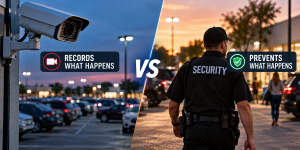
- Marked mobile patrols and concierge security provide human chain-of-custody deterrence that cameras alone cannot deliver.
- Always partner with a Texas DPS licensed security agency maintaining comprehensive general liability coverage.