
God’s Armour Security is a trusted provider of residential and apartment security solutions for condominium and high-rise communities across Houston and the surrounding areas. Residential security carries an obligation commercial coverage does not. People live here. They come home at midnight, let their children play on the grounds, expect packages to still be waiting at the door, and notice immediately when a stranger has the run of the building. Coverage has to hold a community secure without making residents feel policed in their own home, and that comes down to how officers are selected and how they conduct themselves on post.
Owner-occupied buildings where residents expect coverage that matches what they pay in assessments, and where the board answers directly to the people living there.
Multi-building properties with high resident turnover, shared amenities, and open grounds that need consistent patrol rather than a single fixed post.
Controlled entry points where the gate is the whole security model, and staffing it well determines what the rest of the community experiences.
Vertical properties with a single controlled lobby, restricted access to residential floors, parking levels below grade, and amenity spaces residents use at all hours.
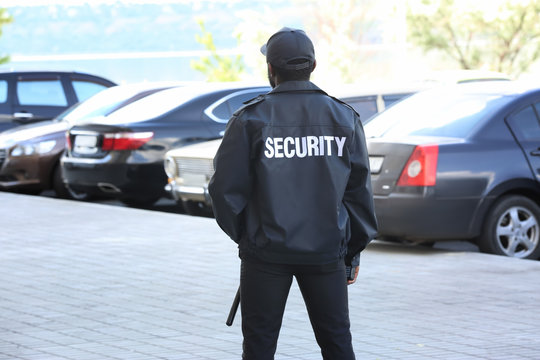
The lobby is where residential security is won or lost. A staffed desk gives every resident a familiar face and gives the property a record of everyone who came through.
Officers check visitors in, confirm them with the resident before granting access, and issue passes where required. Deliveries are logged and held or released according to your policy, which cuts down on the package theft driving most resident complaints. Contractors, cleaners, and technicians are verified against the schedule and directed to the correct unit rather than left to wander. Officers confirm resident status where a building requires it, handled with the discretion people living in their own home deserve
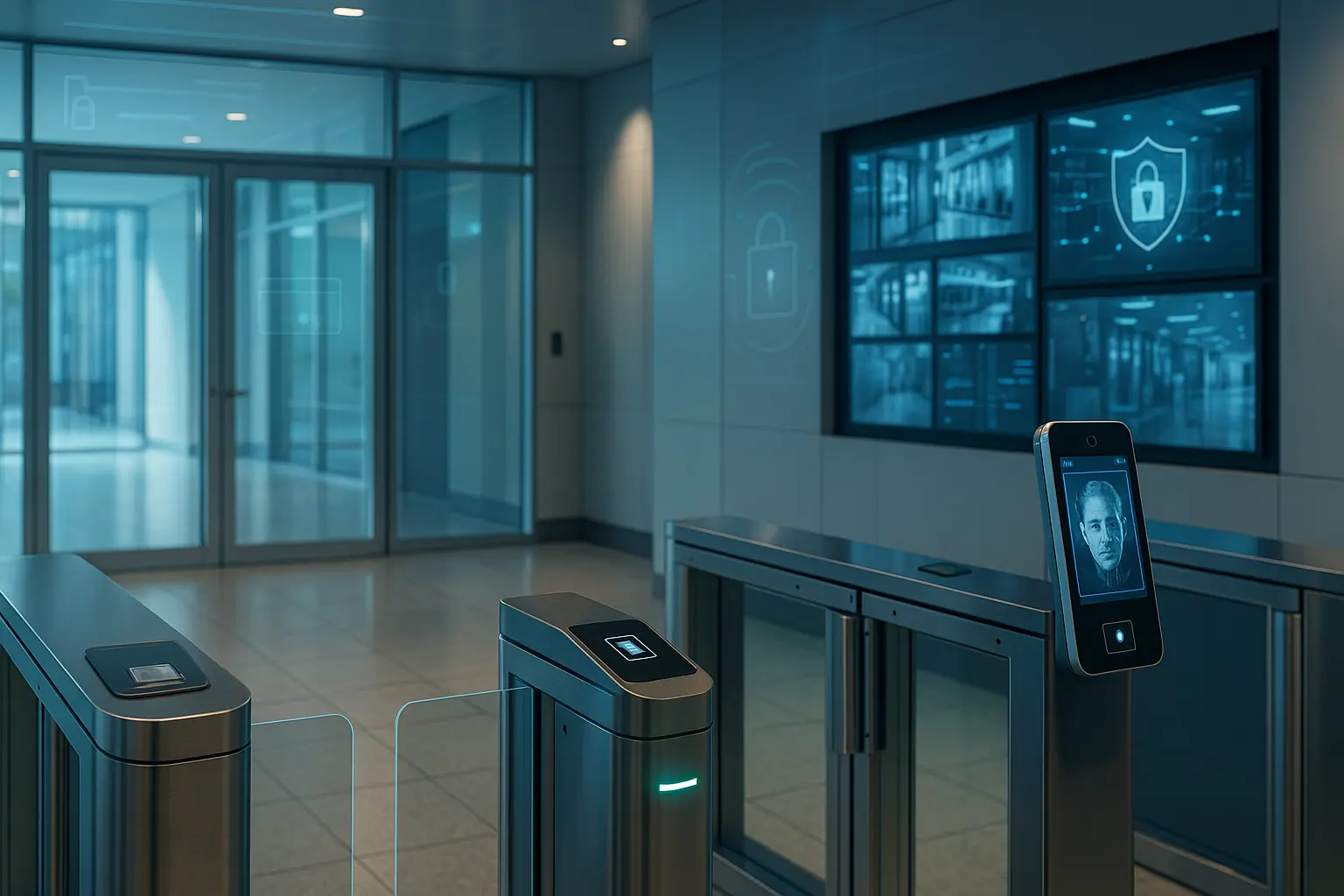
Fixed lobby coverage alone leaves the rest of a property unwatched. Officers conduct grounds patrol on scheduled or randomized rounds, covering pool areas, fitness rooms, package rooms, laundry facilities, stairwells, and back entrances residents prop open more often than management would like.
Parking is part of the same rotation. Resident lots and garage levels see vehicle break-ins, unauthorized parking, and loitering, and a patrol passing at irregular intervals is difficult to plan around.
After-hours coverage carries the most weight. Once amenity spaces close and the building settles, officers verify access points are secured, check that shared areas are clear, and respond to noise and disturbance calls before they become complaints that reach the board.
Property managers and HOA boards get a direct line to our leadership rather than a dispatch queue. Officers document each shift in writing, covering visitor activity, incidents, maintenance concerns spotted on patrol, and anything that needs management attention the following morning.
That reporting matters more here than anywhere else, because managers answer to boards and residents who want to know what they are paying for. Written records also support enforcement of community rules and give you documentation when an incident involves an insurer or law enforcement. Post orders are set with management and updated when policies change, so officers are never improvising a response to something the community has already decided how to handle.
Most residential assignments are unarmed, which suits the environment. Armed coverage is available where a property’s location or incident history warrants it, and that decision is made with the board or management.