
A stationed officer covers one position for the length of a shift. Patrol covers an entire property, or several properties, on a rotation. For many businesses and communities, patrol delivers most of what a full-time post would at a fraction of the hours, which is why it works as both a standalone service and a supplement to stationed coverage. God’s Armour Security provides mobile and foot patrol across Houston and the surrounding communities, with routes and timing built around where your exposure actually sits.
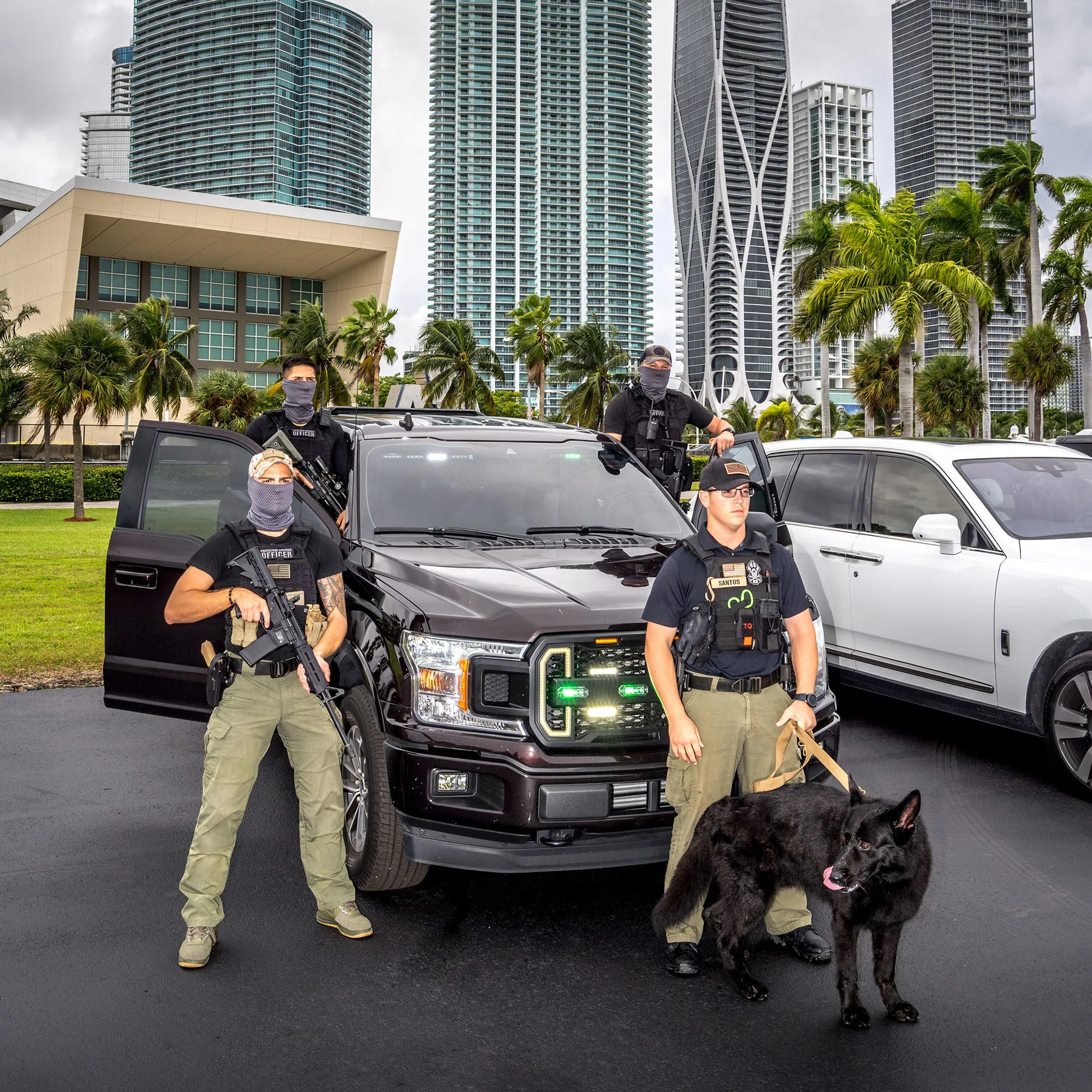
Our vehicle patrols bring agility and efficiency to property coverage, improving surveillance range and response speed across ground that would take an officer on foot far longer to cover.
A marked vehicle moving through a property is visible from a distance, which is a large part of the deterrent. Officers cover perimeters, lot levels, outbuildings, and access points on each pass, stopping to inspect on foot where something warrants a closer look. For clients with several sites in one area, a single officer can run a route covering all of them in a shift.
Vehicle patrol suits large properties, industrial and commercial sites, apartment communities, construction sites, and multi-location businesses.
Foot patrol puts an officer inside the space. It is the right approach for interior properties, pedestrian areas, and anywhere sight lines are restricted enough that a vehicle pass would miss what matters.
Officers on foot check stairwells, corridors, garage levels, back entrances, and amenity areas. They inspect doors and windows physically rather than visually, notice conditions a drive-by would not register, and are approachable to residents, staff, and customers who want to raise something.
Most properties use both. A vehicle covers the perimeter and lots, and the officer continues on foot through interior areas and blind spots.
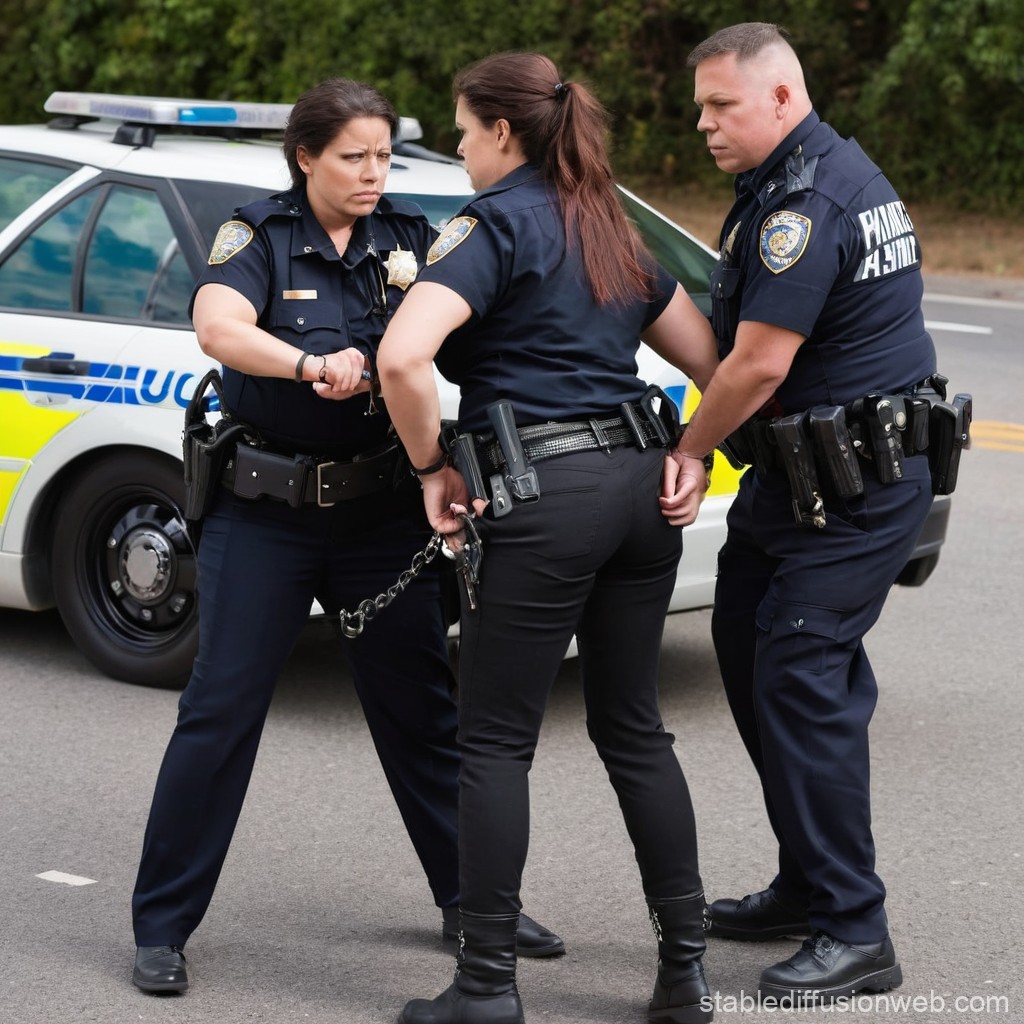
Scheduled rounds. Patrol at fixed times, which suits properties needing coverage tied to specific events like opening, closing, or shift changes.
Randomized timing. Patrol at irregular intervals across a window. Nobody watching the property can predict the next pass, which is the more effective deterrent for theft and after-hours activity.
Overnight & weekend coverage. Patrol limited to the hours a property sits unattended, which is the most common arrangement for businesses that are staffed during the day.
On-call response. Officers dispatched to a property on an alarm activation or a call from management, either alongside scheduled patrol or on its own.
Patrol frequency is set with you and adjusted as conditions change.
Yes, and it should be. Officer reports build a record of where and when activity occurs. If incidents cluster around a particular hour or section of the property, we shift the route and timing to match rather than holding a schedule that no longer fits.